
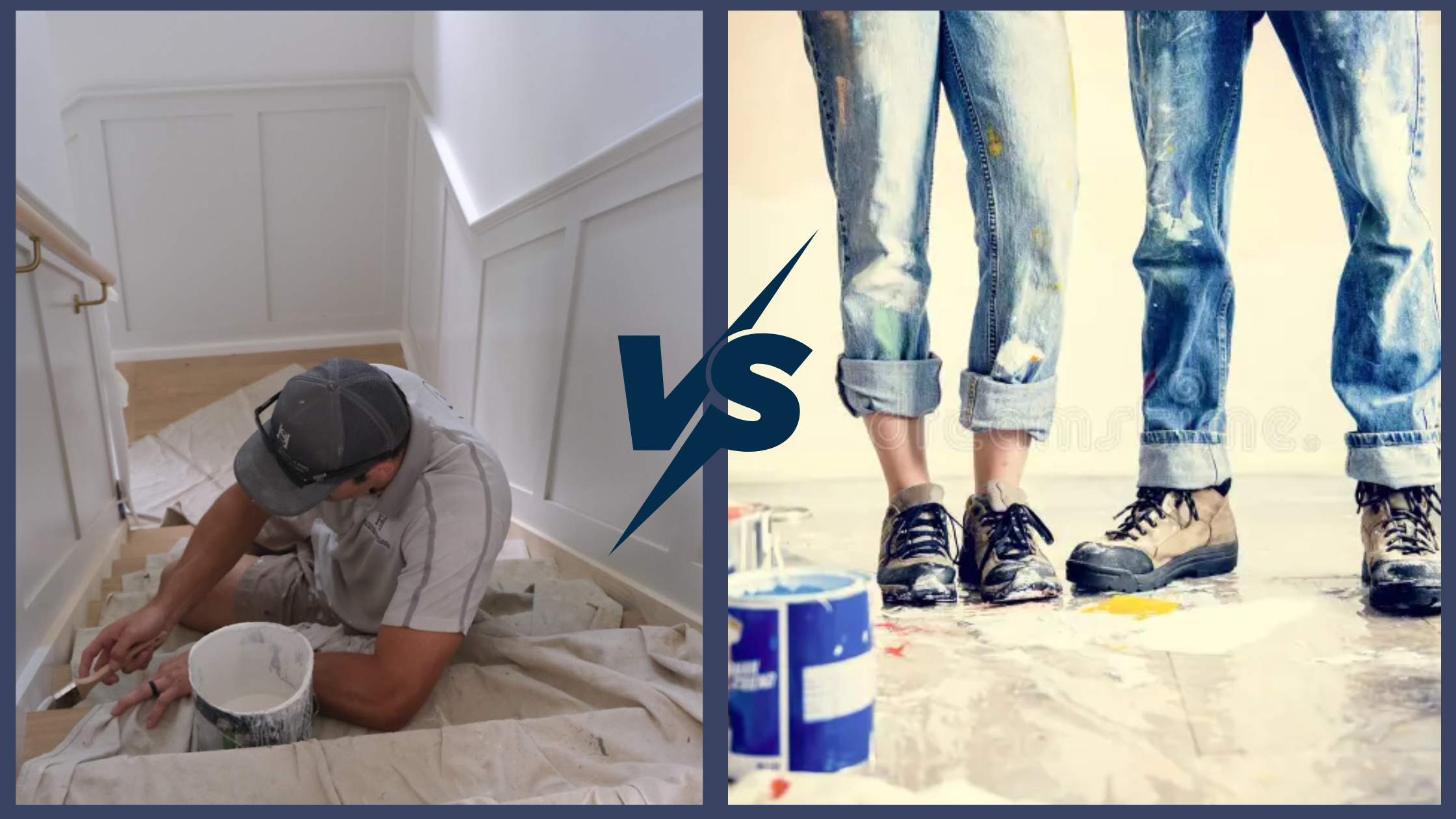
You’ve been thinking about freshening up your walls — maybe a new colour in the living room or a full interior refresh. The question is, should you do it yourself or hire a professional painter?
At Southern Highlands Painting and Wallpapering, we know that plenty of homeowners enjoy tackling DIY projects. Painting can seem simple — after all, how hard can it be to roll some paint on a wall? But achieving a professional finish involves far more than just the paint itself. It’s the difference between “good from afar” and “flawless up close.”
In this guide, we’ll break down what separates DIY painting from a professional finish, when each option makes sense, and how to decide which is right for your home.
The Appeal of DIY Painting
There’s a reason many homeowners choose the DIY route — it’s hands-on, budget-friendly, and instantly rewarding.
Benefits of DIY:
- Lower upfront cost: You’ll save on labour if you already have the tools.
- Flexible timing: Work at your own pace and fit the project around your schedule.
- Personal satisfaction: Finishing a room yourself feels great, especially for small spaces or touch-ups.
However, DIY painting often comes with hidden costs — wasted paint, patchy coverage, and time spent correcting mistakes. What looks “good enough” at first can start to show flaws once the paint dries or light hits it differently.
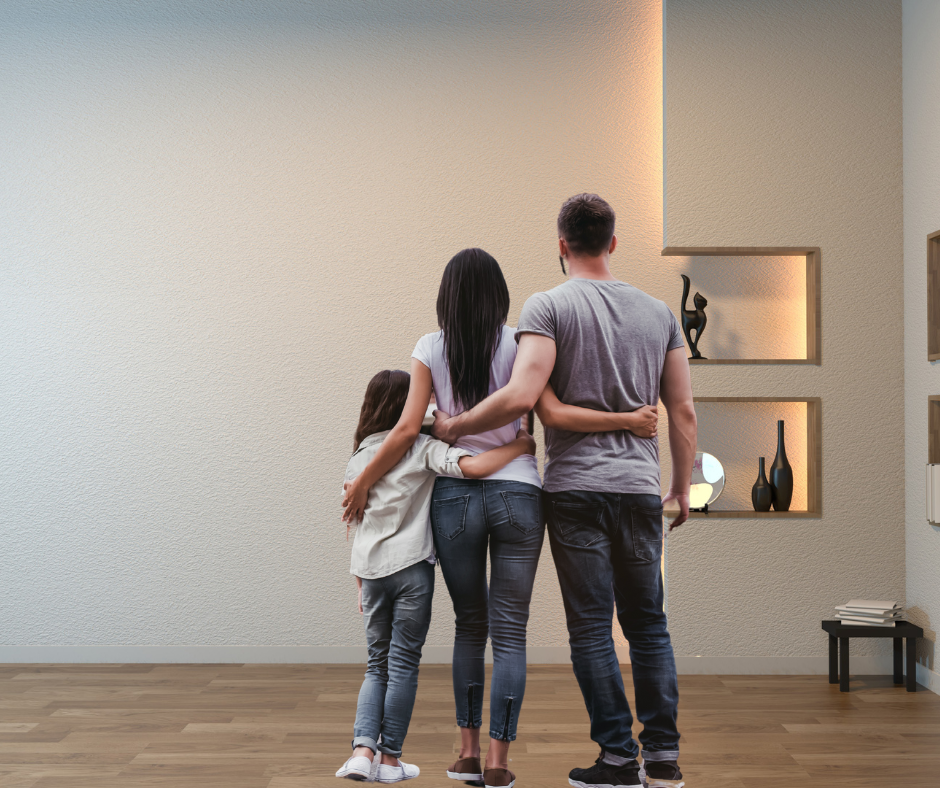
What Defines a Professional Finish?
A professional finish isn’t just about neat edges or smooth walls — it’s about preparation, technique, and durability.
Here’s what sets professional painters apart:
1. Surface Preparation
Professionals know that preparation makes up about 70% of the job. They clean, sand, patch, and prime every surface to ensure paint adheres properly and lasts longer. DIY jobs often skip or rush this step, leading to uneven texture or peeling later.
2. Quality Products and Tools
A pro uses high-end paints designed for the environment (interior vs exterior, humidity, UV exposure) and premium brushes, rollers, and sprayers for precision. The right tools can make all the difference in achieving even coverage and crisp lines.
3. Application Technique
Professionals understand how to apply consistent pressure, overlap strokes, and maintain a “wet edge” to avoid roller marks and streaks. They also know when to cut in, when to roll, and how to achieve a perfect sheen across the whole wall.
4. Speed and Efficiency
With years of experience, professional painters complete projects in a fraction of the time — and without the trial and error that can come with DIY work.
5. Durability and Longevity
A professional paint job is built to last. Proper prep, quality products, and correct application mean fewer touch-ups and repaints down the track.
DIY vs Professional Finish: A Side-by-Side Comparison
| Factor | DIY Painting | Professional Finish |
| Cost | Lower upfront cost, but may require rework | Higher upfront cost, but longer-lasting |
| Preparation | Often minimal or rushed | Comprehensive cleaning, sanding, and priming |
| Finish Quality | Can look good at first, but may show flaws | Consistent, smooth, and seamless |
| Durability | 2–5 years before touch-ups needed | 7–10 years or more, depending on paint and surface |
| Time Commitment | Weekends or evenings for several weeks | Completed efficiently, often within days |
| Clean-Up | DIY mess included | Professionals handle all clean-up and protection |
When DIY Painting Makes Sense
There are times when DIY painting is perfectly reasonable — especially for smaller, low-risk jobs.
Choose DIY if:
- You’re painting a small room, hallway, or garage.
- The walls are in good condition and need minimal prep.
- You’re using neutral or forgiving colours.
- You enjoy the process and have the time to spare.
For small, personal projects, DIY can be both cost-effective and satisfying — just remember to plan carefully and invest in decent brushes, tape, and primer.
When to Call in the Professionals
For most medium to large-scale projects, a professional finish will save you time, effort, and frustration.
Hire professionals if:
- You’re painting large or high-ceilinged areas.
- The existing paint is damaged or peeling.
- You’re changing from dark to light colours (or vice versa).
- You want a lasting, high-quality finish — especially for living areas, kitchens, or exteriors.
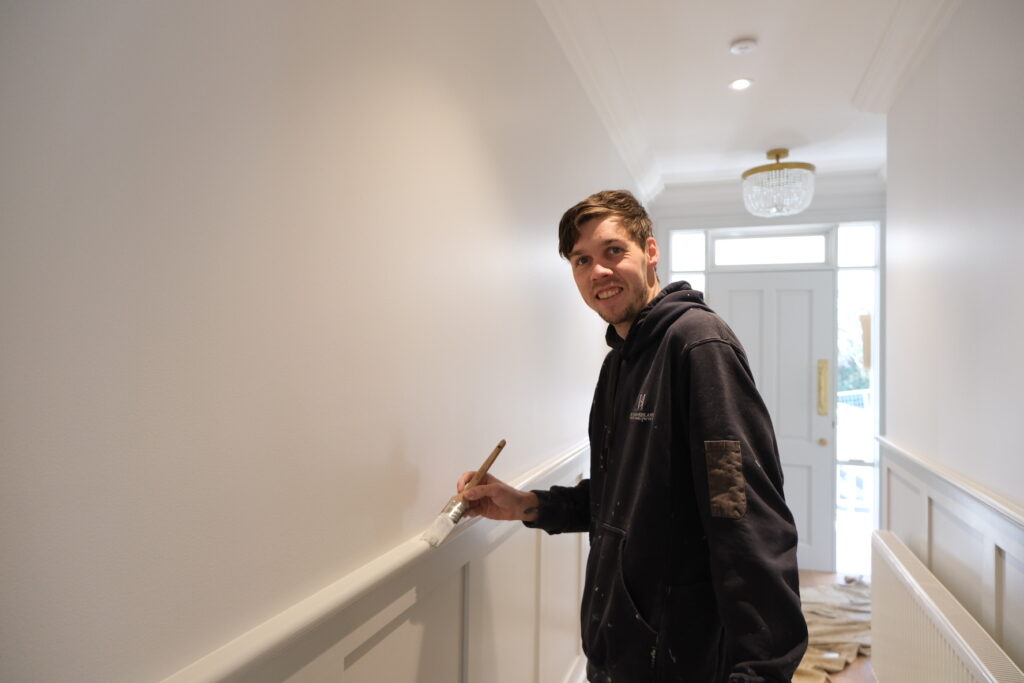
At Southern Highlands Painting and Wallpapering, we pride ourselves on delivering a smooth, even finish that not only looks great but protects your surfaces for years. From prep to clean-up, every detail is handled with care.
Final Thoughts
The difference between DIY painting and a professional finish often comes down to preparation, precision, and experience. While DIY painting can work well for small, low-stakes projects, a professional job ensures a flawless result that lasts much longer and adds real value to your home.
If you want lasting quality, expert advice, and a finish that looks perfect from every angle, talk to the team at Southern Highlands Painting and Wallpapering — your local experts in professional painting and wallpapering done right.