
Wallpaper isn’t a one-size-fits-all decision.
What works beautifully in a bedroom can fail completely in a bathroom. A bold pattern that looks great in a hallway might feel overwhelming in a living space. And choosing the wrong material for the wrong room can lead to peeling, mould, or early wear.
If you’re considering wallpaper, the real question isn’t just “what looks good?” — it’s “what works in this specific space?”
At Southern Highlands Painting & Wallpapering, we help homeowners choose wallpaper that suits both the design and the demands of each room. In this guide, you’ll learn what types of wallpaper work best in different areas of your home — and what to avoid.
Living Rooms: Balance Style with Longevity
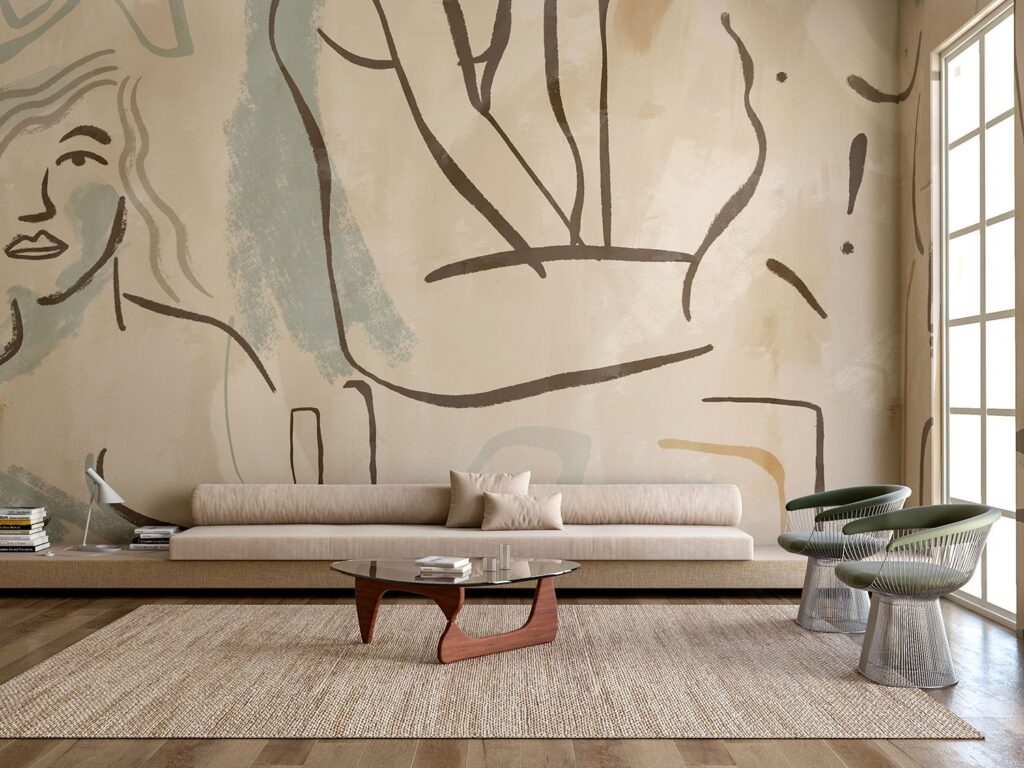
Living rooms are where most people feel comfortable experimenting with wallpaper — but it still needs to hold up over time.
What works well:
- Textured wallpapers (linen, grasscloth-style)
- Large-scale patterns
- Neutral or muted tones for long-term appeal
What to consider:
Living rooms get consistent use, so durability matters. Choose wallpapers that are washable or at least resistant to minor scuffs.
If you’re unsure, a feature wall is often enough to add impact without overwhelming the space.
Bedrooms: Softer, Calming Choices
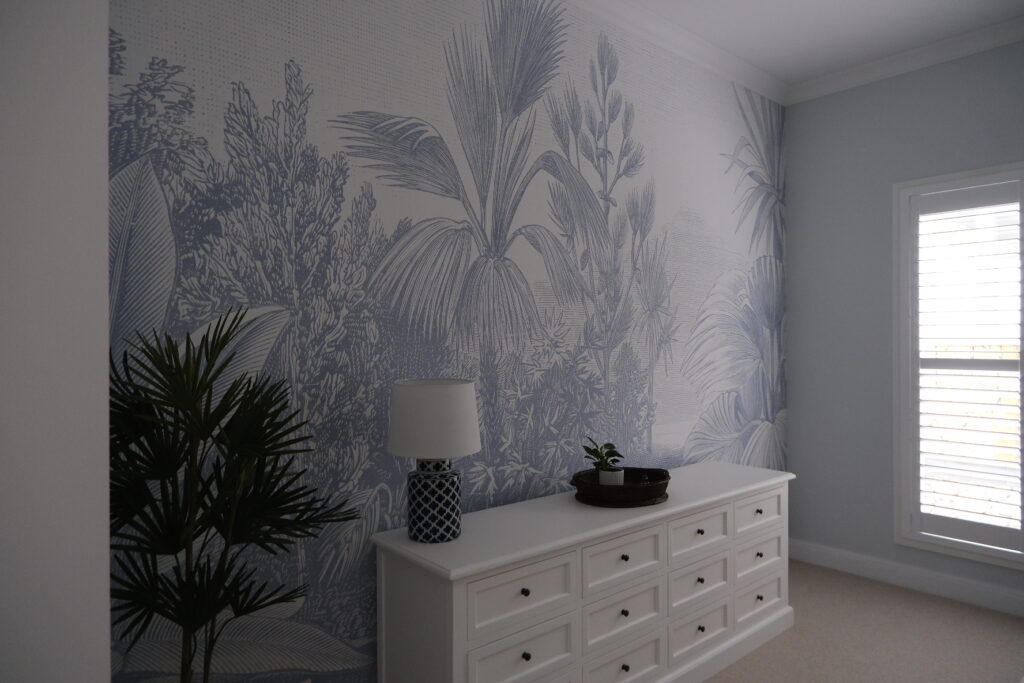
Bedrooms are where wallpaper can really shine — especially when the goal is to create a calm, restful environment.
What works well:
- Soft patterns (florals, subtle geometrics)
- Muted colours (sage, dusty blue, warm neutrals)
- Fabric-look or textured finishes
What to avoid:
Highly stimulating patterns or very bold contrasts, especially behind the bed. These can feel overwhelming over time.
Wallpaper behind the bed (as a feature wall) is a common and effective approach.
Bathrooms: Moisture Matters
Bathrooms are one of the most misunderstood spaces for wallpaper.
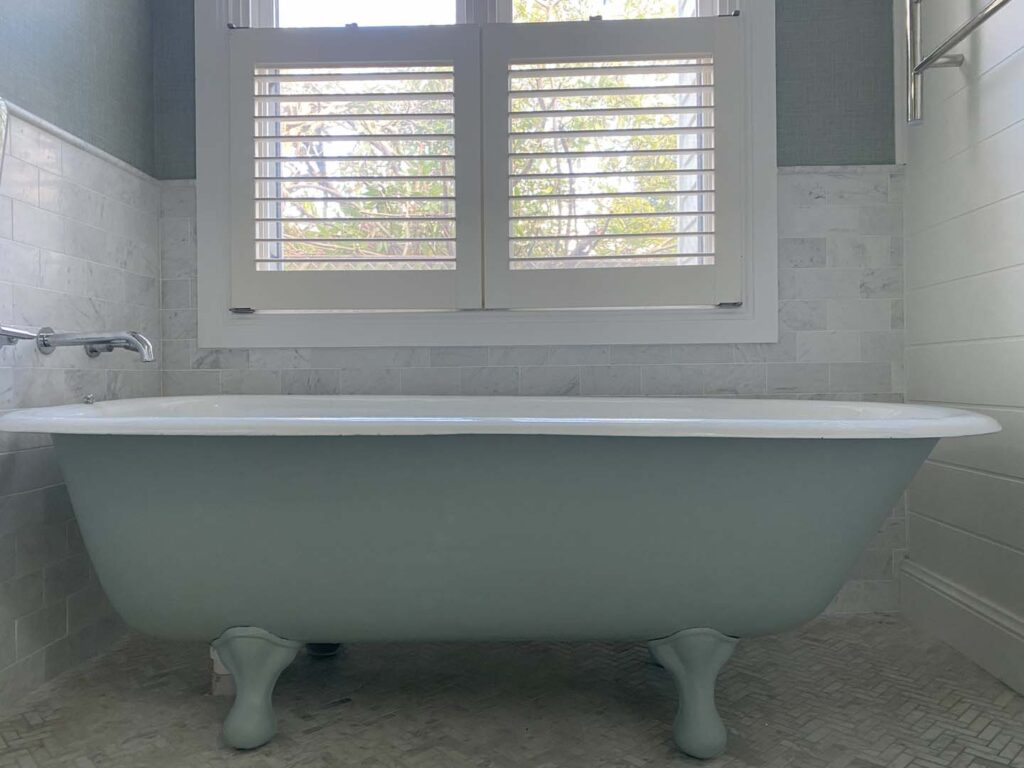
Yes, you can use wallpaper — but only if you choose the right type.
What works well:
- Vinyl or moisture-resistant wallpaper
- Washable finishes
- Small patterns that hide condensation marks
What to avoid:
Standard paper-based wallpaper in high-moisture zones like showers.
In powder rooms (with less humidity), you have more flexibility to use decorative designs.
Kitchens: Durability First, Design Second
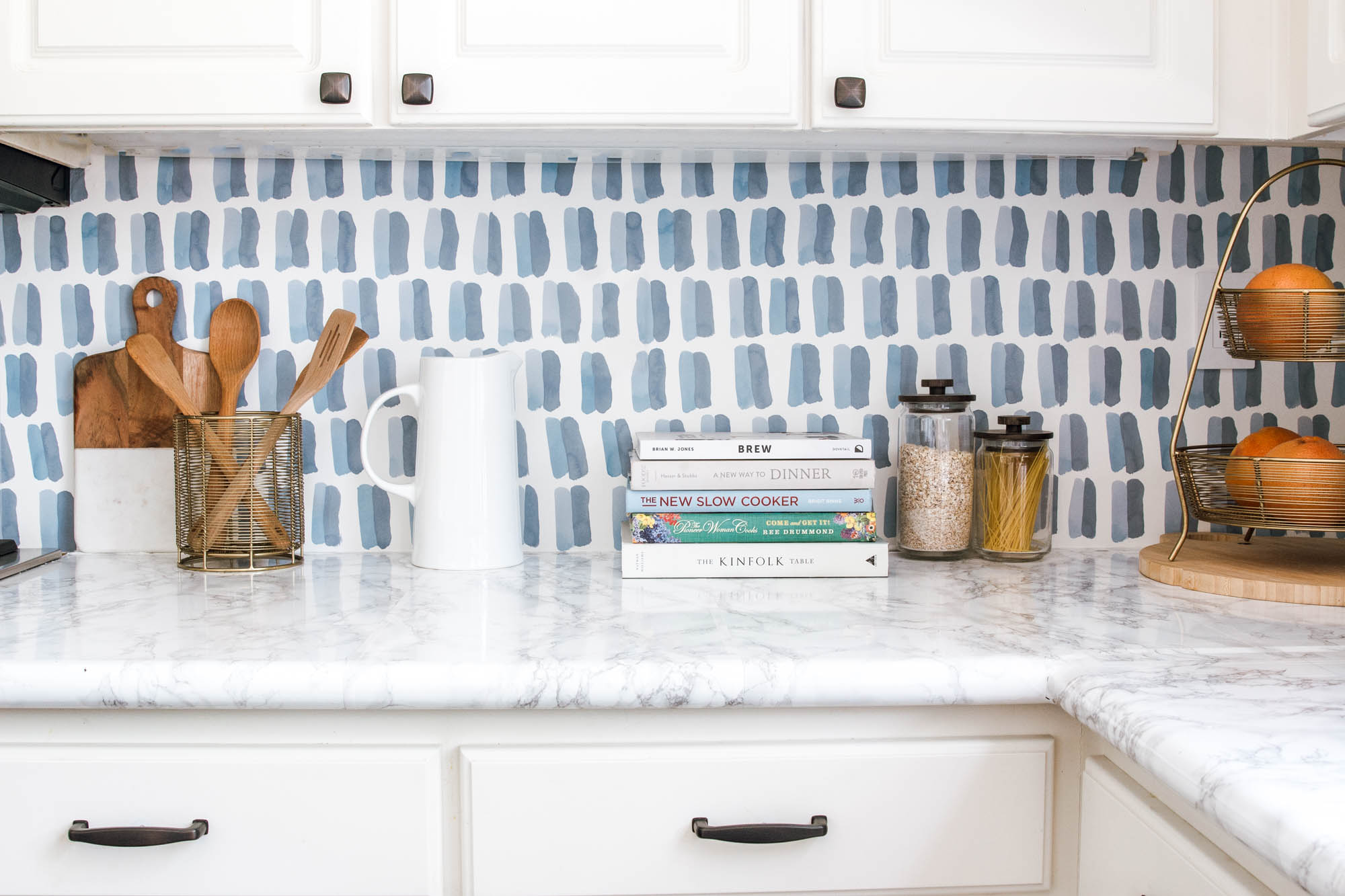
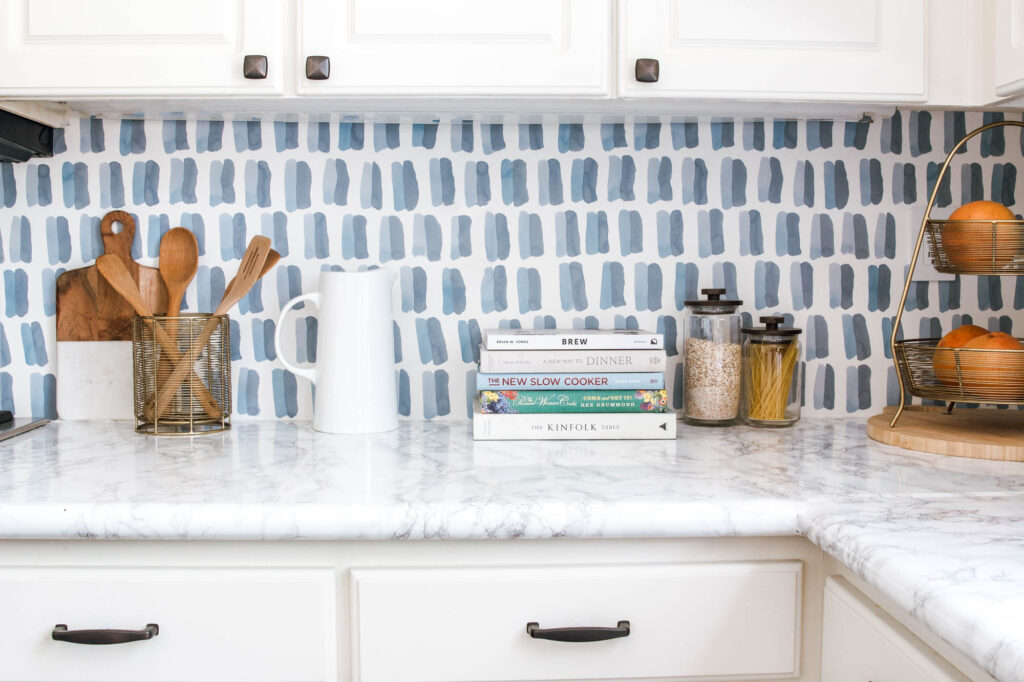
Kitchens can be a great place for wallpaper — but only in the right areas.
What works well:
- Splashback-adjacent areas (not directly behind cooktops)
- Washable or scrubbable wallpaper
- Subtle textures or patterns
What to avoid:
Wallpaper directly exposed to grease, steam or water.
In most cases, wallpaper is best used on feature walls or dining-adjacent areas within open-plan kitchens.
Hallways and Entryways: High Impact, High Traffic
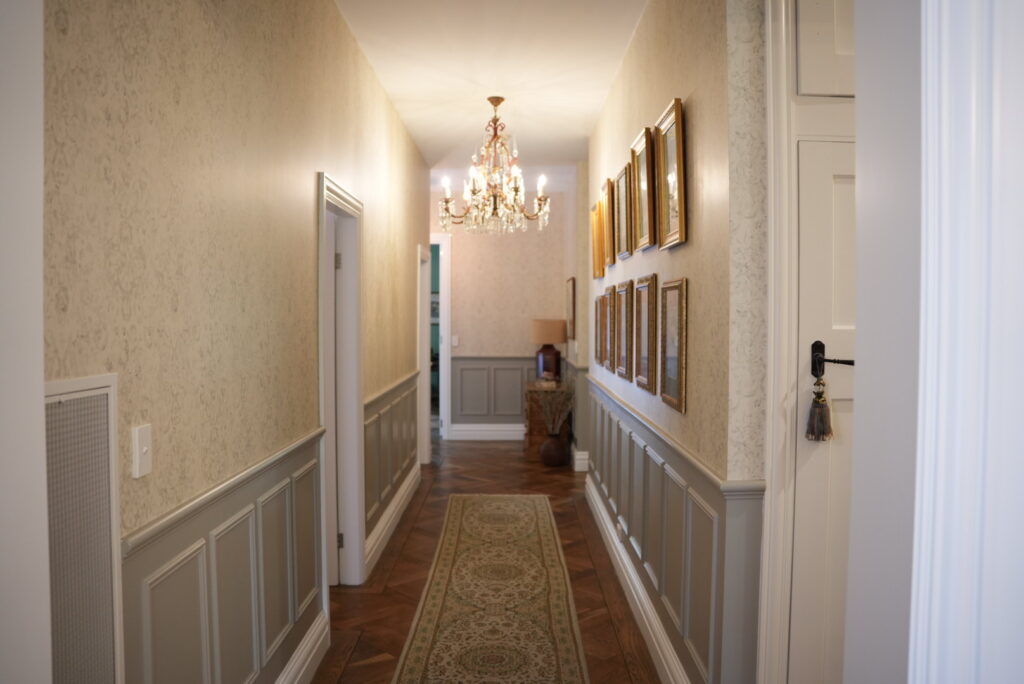
These spaces are perfect for making a statement — but they also take a beating.
What works well:
- Durable, washable wallpaper
- Bold patterns or darker tones (to hide marks)
- Vertical patterns to elongate narrow spaces
What to consider:
Hallways are high-traffic areas, so durability matters just as much as design.
Kids’ Rooms: Flexibility and Practicality
Kids’ rooms are where you can have more fun — but also where practicality is key.
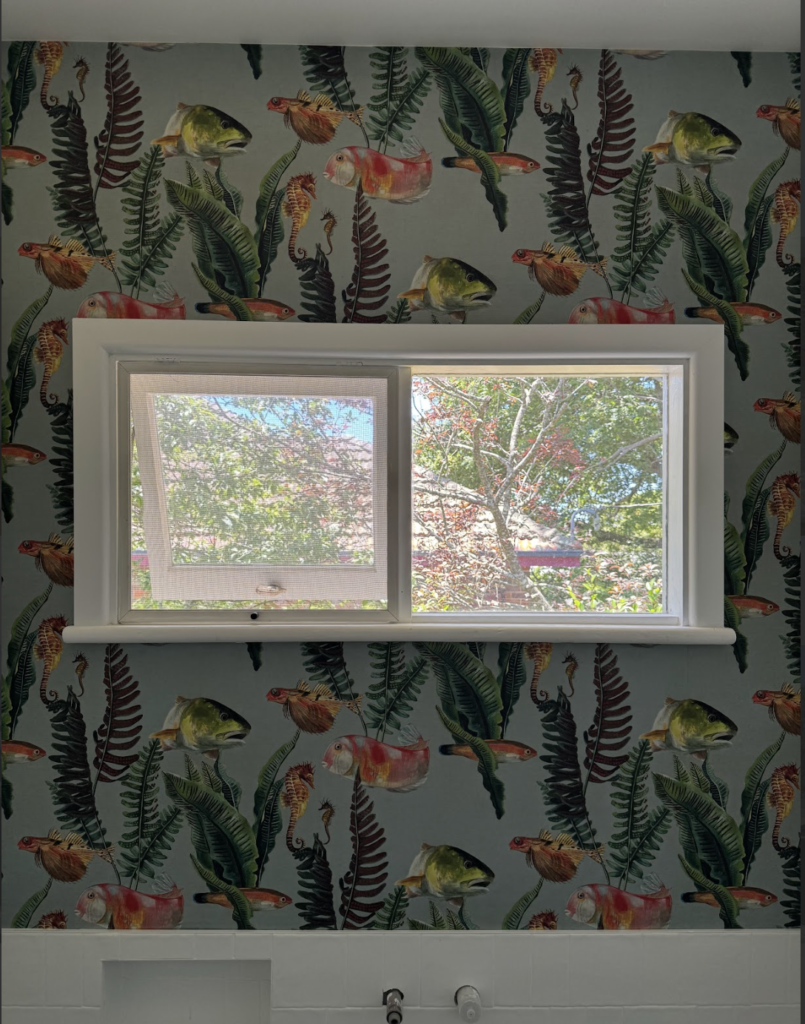
What works well:
- Playful patterns or murals
- Washable finishes
What to consider:
Tastes change quickly. Choosing something easy to update can save you time and money later.
Home Offices: Focus Without Distraction
With more people working from home, wallpaper is being used to define workspaces.
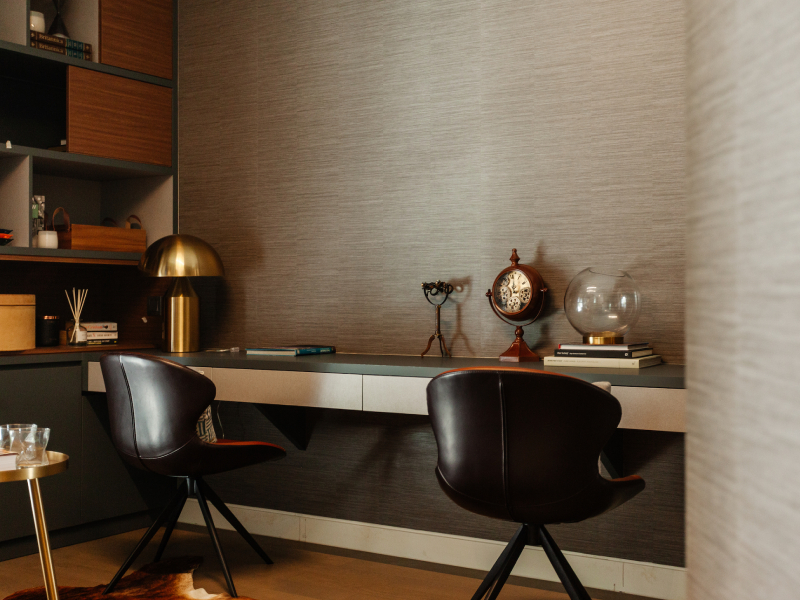
What works well:
- Subtle textures
- Soft geometric patterns
- Neutral tones with depth
What to avoid:
Overly busy designs that can become distracting during long workdays.
The Key Takeaway
The best wallpaper choice depends on two things:
- The function of the room
- The conditions of the space
It’s not just about style — it’s about durability, moisture, lighting, and how the space is used day to day.
Need Help Choosing the Right Wallpaper for Your Space?
If you’re unsure what type of wallpaper will work best in your home, we can help you make the right call from the start.
At Southern Highlands Painting & Wallpapering, we guide homeowners through wallpaper selection and installation — ensuring it looks right and lasts.