
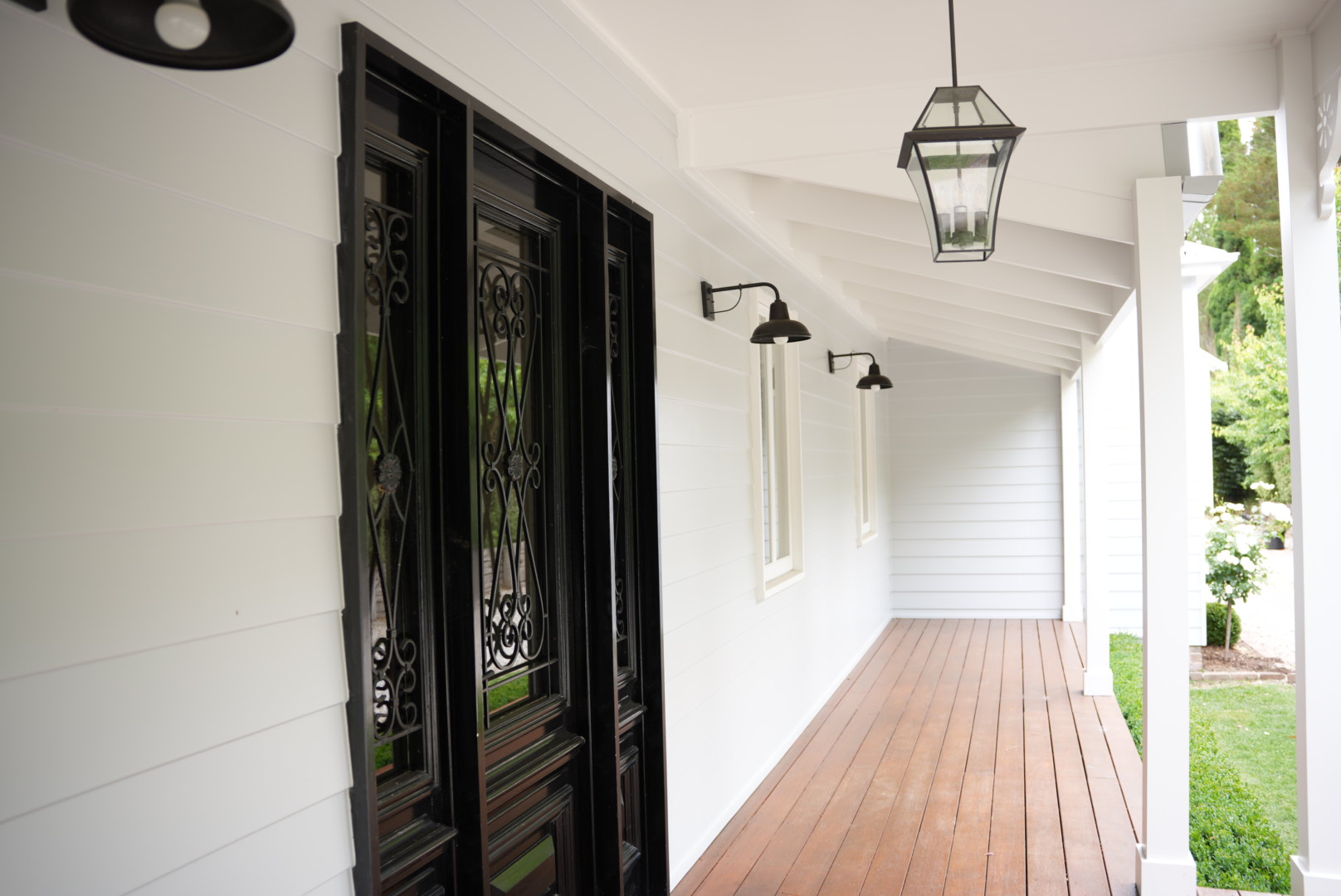
An exterior paint job isn’t cheap — and it shouldn’t be something you’re redoing every few years.
When done properly, exterior paint should last anywhere from 8 to 15 years depending on the surface, paint quality, and local conditions. However in areas like the Southern Highlands — where homes face cold winters, UV exposure, wind, rain and moisture — longevity depends on more than just the paint itself.
If you’ve recently painted your home, or you’re planning to, here’s what actually makes the difference between a paint job that fades early and one that goes the distance.
Table of Contents
Preparation Is Everything
The lifespan of your paint job starts before the first coat goes on. Poor preparation is the number one reason exterior paint fails early. If surfaces aren’t properly cleaned, sanded, repaired and primed, paint won’t bond correctly — which leads to peeling, cracking and bubbling within a few years.
Proper prep should include:
- Pressure washing to remove dirt, mould and chalky residue
- Scraping and sanding loose or flaking paint
- Filling cracks and repairing damaged timber
- Applying the correct primer for the surface
Skipping these steps might save time upfront, but it shortens the life of the entire job.
If you want your exterior paint to last, make sure the preparation isn’t rushed.
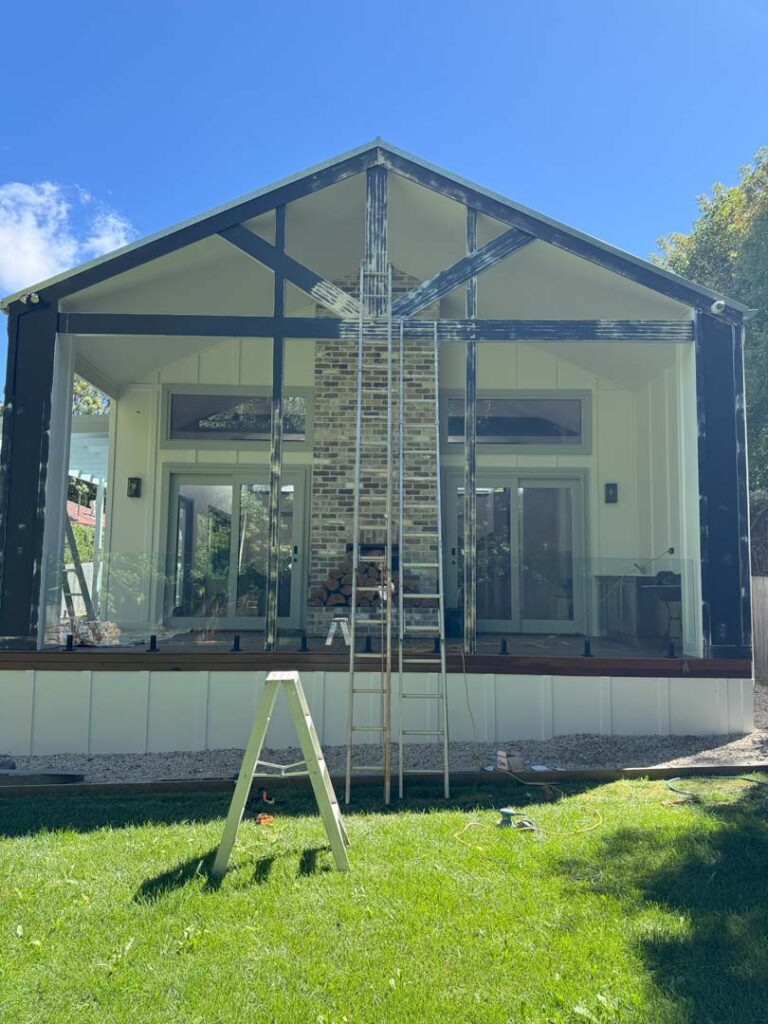
Choose the Right Paint for Australian Conditions
Not all exterior paints are created equal.
In Australia, UV exposure is one of the biggest causes of fading and breakdown. That’s why high-quality exterior paints with strong UV resistance are essential — particularly on darker colours, which absorb more heat.
Look for paints that:
- Offer UV protection
- Are mould and mildew resistant
- Are specifically designed for exterior use
- Suit your surface (render, brick, weatherboard, etc.)
A cheaper paint may look fine on day one, but premium products typically hold colour and integrity for much longer — especially in exposed areas.
Timing Matters More Than You Think
Weather plays a huge role in paint durability.
Painting during very cold, damp or excessively hot conditions can affect how paint cures and bonds. In the Southern Highlands, late spring and early autumn tend to offer more stable conditions for exterior painting.
Avoid:
- Painting in heavy humidity
- Painting in direct, extreme heat
- Painting when rain is forecast within 24 hours
Even the best paint won’t perform properly if it hasn’t cured correctly.
Keep Your Exterior Clean
Most homeowners don’t realise this — but simple maintenance can extend your paint job by years.
Dirt, mould and organic buildup slowly break down paint over time. A gentle wash every 12–18 months helps remove contaminants before they cause staining or surface damage.
Pay attention to:
- Shaded areas where mould can grow
- Gutters that overflow and cause streaking
- Timber surfaces exposed to constant moisture
Regular cleaning is a small effort that protects a major investment.
Address Small Issues Early
Hairline cracks, minor peeling or small patches of bubbling might seem cosmetic — but they’re often early warning signs.
Left untreated, moisture can get underneath the paint film and cause larger sections to fail.
If you notice:
- Flaking paint
- Cracks in timber
- Gaps in caulking
- Mould patches returning
It’s worth addressing them quickly before the damage spreads.
Spot repairs and touch-ups can significantly extend the overall lifespan of your exterior finish.
Protect High-Exposure Areas
Some parts of your home wear faster than others.
North- and west-facing walls typically receive more sun and UV exposure. Timber window frames, fascia boards and deck areas also tend to break down sooner than brick or render.
If your home has these high-exposure zones, consider:
- Using slightly higher sheen finishes for durability
- Applying additional protective coatings where appropriate
- Scheduling inspections every few years
Not every surface ages at the same rate — so targeted care makes a difference.
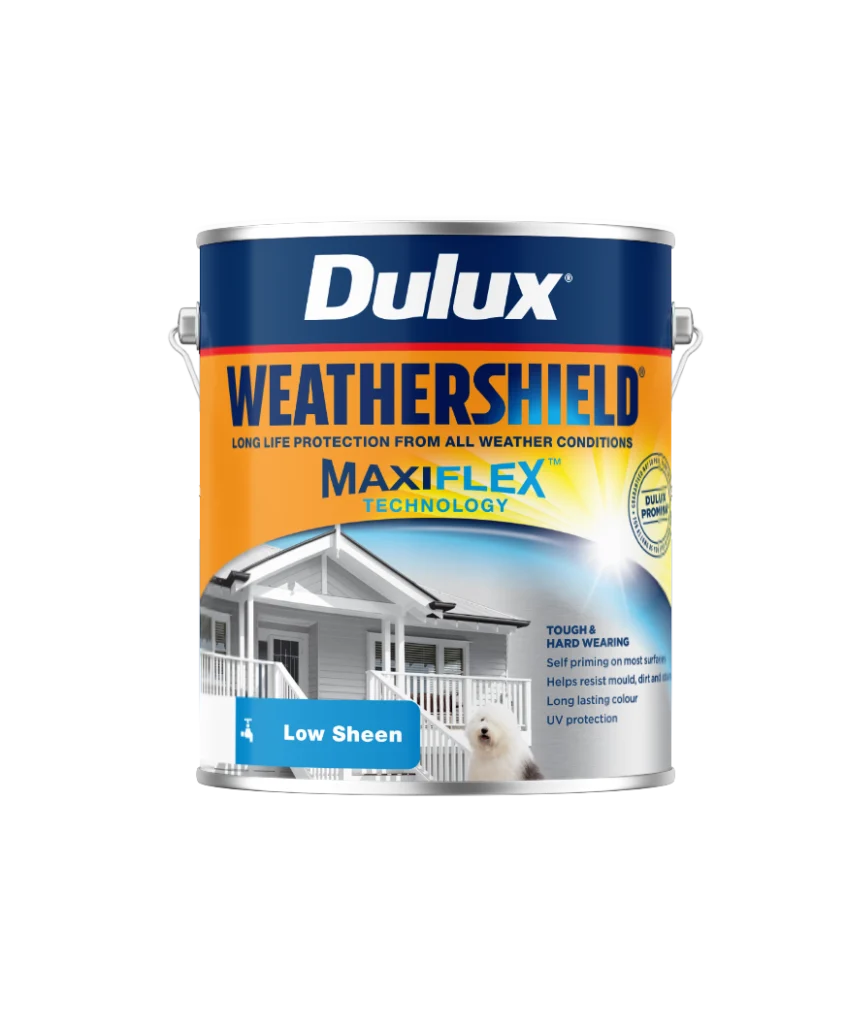
Hire Experienced Professionals
Application technique matters just as much as the product.
Even the best paint won’t last if it’s applied too thinly, unevenly, or without proper drying time between coats. Experienced painters understand:
- Correct film thickness
- Surface-specific primers
- Weather timing
- Expansion and contraction of materials
Professional application helps ensure your paint performs the way it was designed to.
How Long Should Exterior Paint Really Last?
As a general guide:
- Weatherboard homes: 8–12 years
- Render or brick homes: 10–15 years
- Timber trims and exposed elements: 5–10 years
These timelines vary depending on sun exposure, maintenance, and product quality — but they give you a realistic benchmark.
If your exterior is fading, peeling or chalking earlier than this, it’s often due to preparation or product issues.
Want an Exterior Paint Job That Actually Lasts?
If you’re planning to repaint — or you’re not sure whether your current paint is holding up the way it should — we can help.
At Southern Highlands Painting & Wallpapering, we focus on thorough preparation, premium products, and application techniques designed for local conditions.
If you want an exterior finish that looks good now and still performs years from now, we’re happy to guide you through the process.