
Feature walls are still very much alive in 2025 — but not all of them are aging gracefully. Done well, a feature wall can anchor a room, add character, and make your space feel styled without overdone. Done poorly? It just looks like a leftover design trend from 2009.
At Southern Highlands Painting & Wallpapering, we help clients across the region make bold design choices that still feel timeless. We know what works (and what doesn’t), especially when it comes to walls that are meant to stand out.
In this article, you’ll learn which feature wall ideas still feel fresh, what to steer clear of, and how to pull off a statement wall that elevates your home — not dates it.
Table of Contents
What Makes a Feature Wall Feel Outdated?
Feature walls used to be all the rage — but not every idea has stood the test of time.
If your feature wall plan involves a single bright red wall in an otherwise beige room, or a chunky pattern that overwhelms the space, it might be time to rethink. Many of the feature walls that feel “off” today have one thing in common: they were designed to shout, not complement.
Here are a few classic missteps that can make a feature wall feel dated:
- High-contrast paint with no design context
A random bold colour on one wall — especially without any repeating tones elsewhere in the space — often feels disconnected. Think black wall, white room. Unless it’s part of a larger palette or style, it rarely works. - Overused or theme-heavy wallpaper
Giant floral prints, faux brick stickers, or metallic damask patterns can quickly date a room, especially if they don’t match the rest of the home’s style. - Every room has a feature wall
If the idea is used too often, it loses impact. Not every room needs a “statement” — sometimes restraint is what actually feels modern. - DIY gone wrong
Uneven edges, poorly hung wallpaper, or slapdash colour blocking often look less ‘statement wall’ and more ‘weekend project that never quite came together.’
So, how do you avoid the cliché and get something that still feels stylish today? Let’s talk about what’s working now.
Modern Feature Wall Ideas That Actually Work
A good feature wall should feel like part of the room — not a last-minute add-on. The best designs today are less about shock value and more about subtle impact, texture, and cohesion.
Here are a few modern ideas that genuinely work in 2025:
Textured panelling
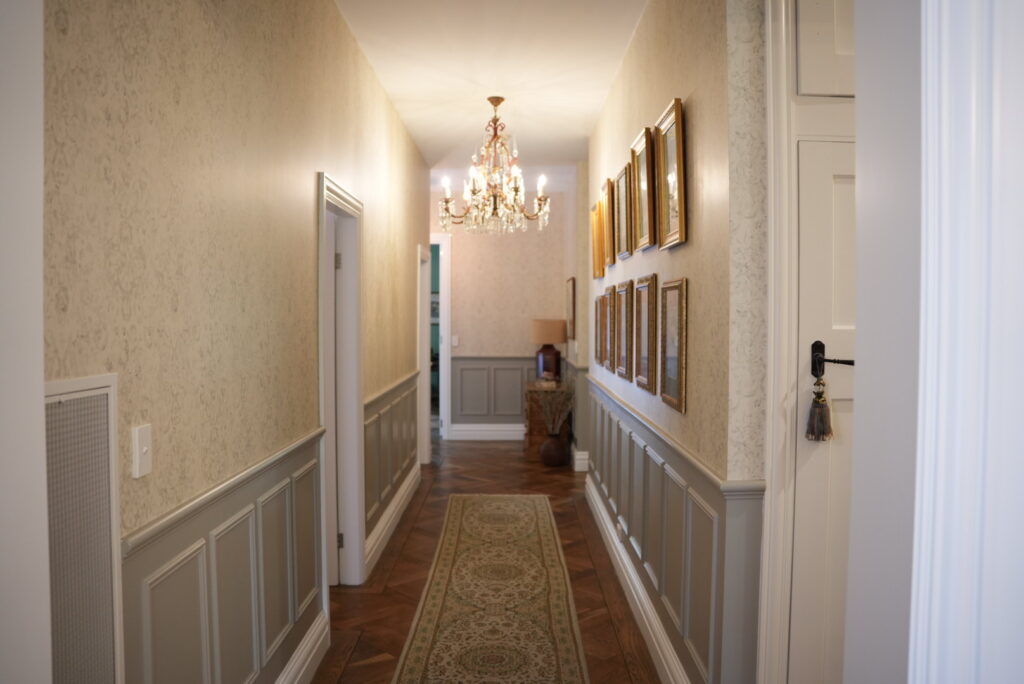
Vertical timber battens or VJ (vertical join) panelling add depth without overwhelming the space. They work especially well in bedrooms, hallways, and living areas, and can be painted in soft neutrals or darker, moody tones for extra drama.
Tone-on-tone paintwork
Instead of high-contrast colours, consider using the same hue in two different finishes (e.g. matte vs satin), or a slightly darker shade from the same colour family. This creates dimension without a hard break.
Architectural wallpaper
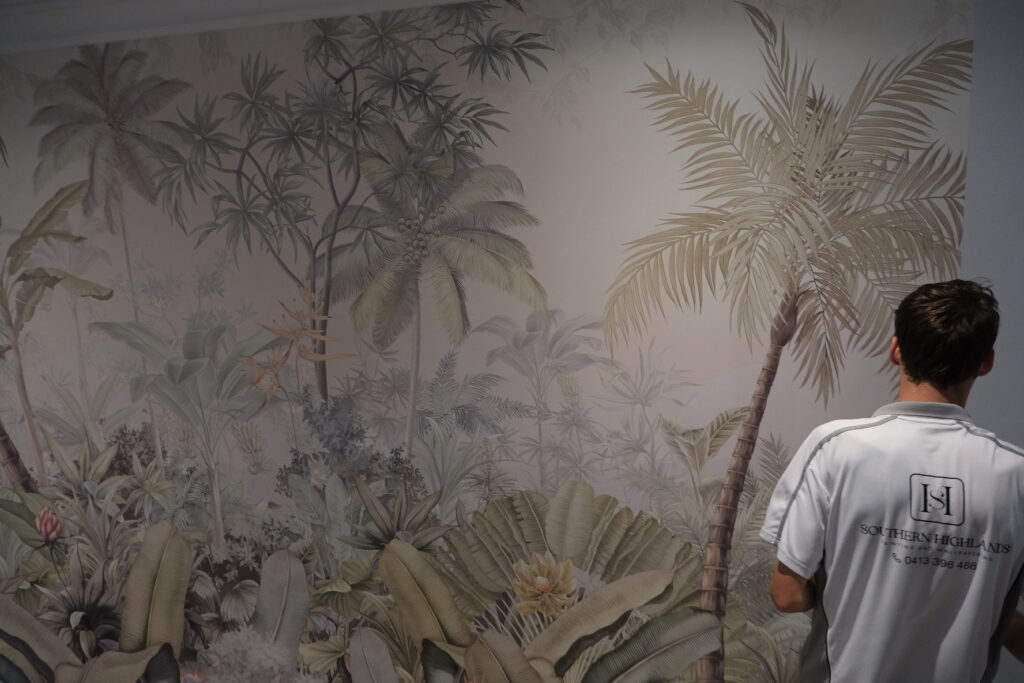
Think linen-look textures, grasscloth, soft geometrics or bold but balanced prints. When paired with high-quality installation, wallpaper can still make a room feel tailored and current — not loud.
Natural materials
Timber cladding, limewash, stone tiles or brick (real, not the stick-on kind) can all serve as subtle but striking feature walls. These materials add organic warmth and suit a wide range of interiors — from heritage homes to new builds.
Curated colour blocking
If you want to use paint creatively, do it with purpose. A painted shape behind a bedhead, or wrapping a colour onto the ceiling in a study nook, can feel architectural and intentional when done with clean lines and a clear design vision.
Each of these ideas works because they feel integrated with the space — not like something you’ll regret in 12 months.
Wallpaper That Wows
Wallpaper has made a serious comeback — but not in the way your nan used it.
Today’s wallpaper isn’t about overpowering floral borders or shiny gold patterns. It’s about texture, mood, and subtle statement. The right wallpaper can add warmth and sophistication, especially in rooms that need a bit of personality without a complete overhaul.
Here’s what works now:
Linen, grasscloth and woven textures
These styles add dimension without the pattern overload. Perfect for home offices, bedrooms, or cosy living zones, they create a tactile feel that paint just can’t match.
Soft, modern patterns
Think soft geometrics, thin-line botanical prints, or tonal murals that blend into the space rather than take it over. These work particularly well in nurseries, powder rooms or behind shelving.
Moody or dramatic papers in the right space
In small doses — like an entryway, hallway niche, or one wall in a dining room — a bolder wallpaper can be stunning. Look for deep greens, charcoals, or inky blues with a hint of metallic or texture.
Wallpaper as art
Instead of wrapping a whole wall, you can frame a smaller wallpapered area with moulding, creating a panel or artwork effect. It’s refined, not overdone.
Most importantly, choose a wallpaper that makes sense in the broader room design — not just one you like in isolation.
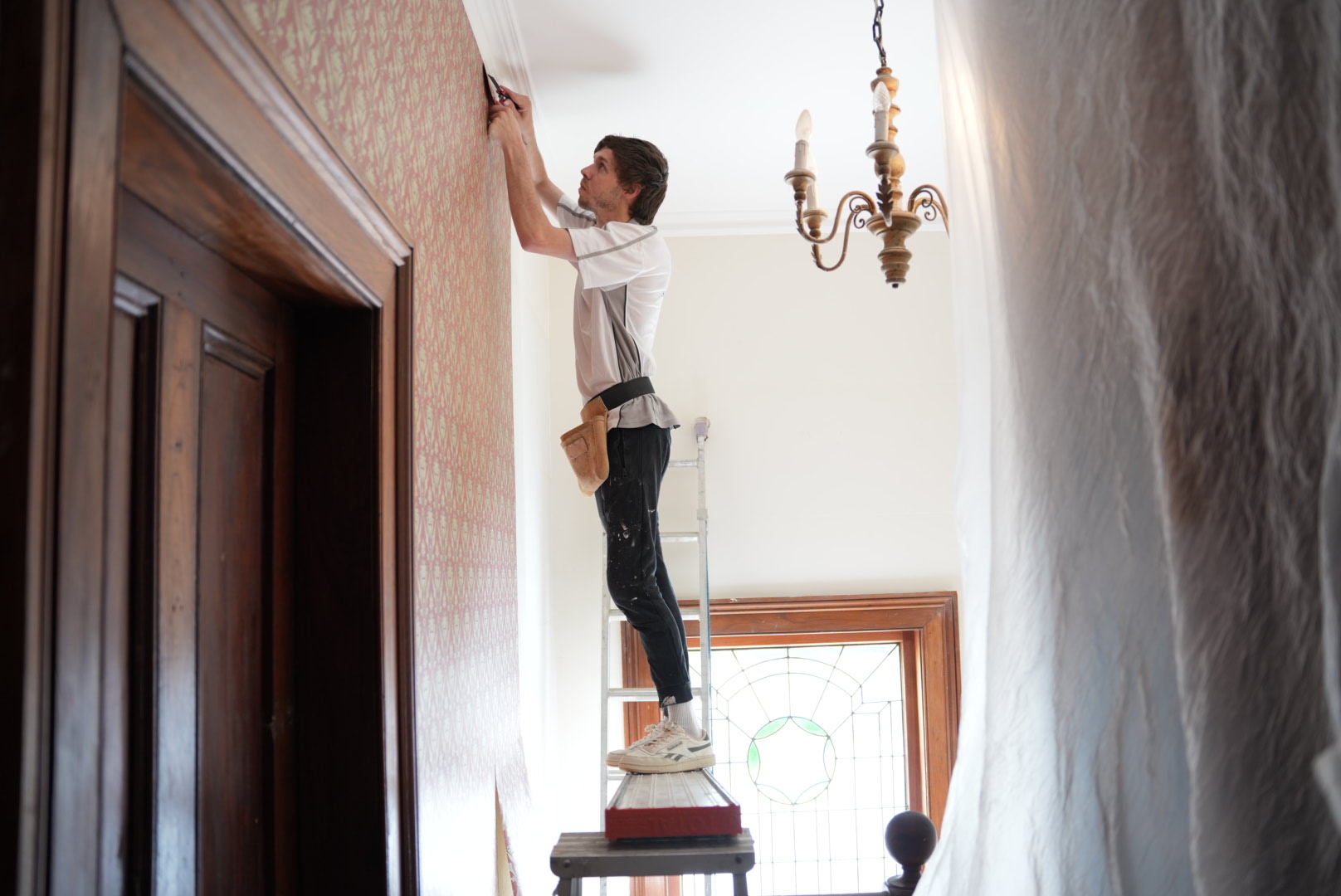
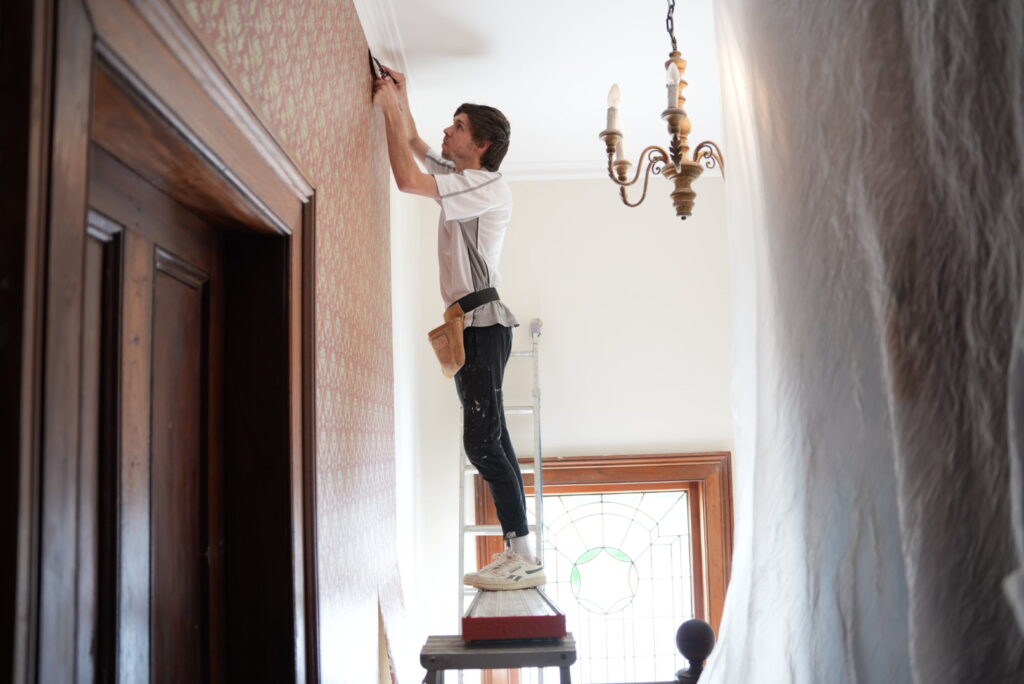
And if you’re worried about bubbling, misalignment, or peeling corners? Don’t DIY it. Professional wallpaper installation is worth every cent, and Southern Highlands Painting & Wallpapering offers exactly that. We help homeowners choose and apply wallpaper that lasts — and looks flawless.
Beyond Colour: Using Texture and Materials to Create Depth
Not every feature wall needs to scream colour. Some of the most impactful ones don’t rely on colour at all — they work through texture, material, and subtle contrast.
If you want your space to feel elevated without looking like every other Pinterest board, consider these texture-driven options:
VJ panelling (vertical boards)
VJ is incredibly popular in Australian homes right now — and for good reason. It adds architectural character and rhythm to plain walls, especially in bedrooms, hallways, and bathrooms. Paint it the same colour as your walls for a seamless look, or go darker for contrast.
Timber cladding or batten walls
Whether it’s natural oak, blackened timber, or painted battens, timber can instantly warm up a space. It’s ideal for living rooms, entryways, and behind TV units — and works particularly well with stone floors or neutral furnishings.
Stone or brick
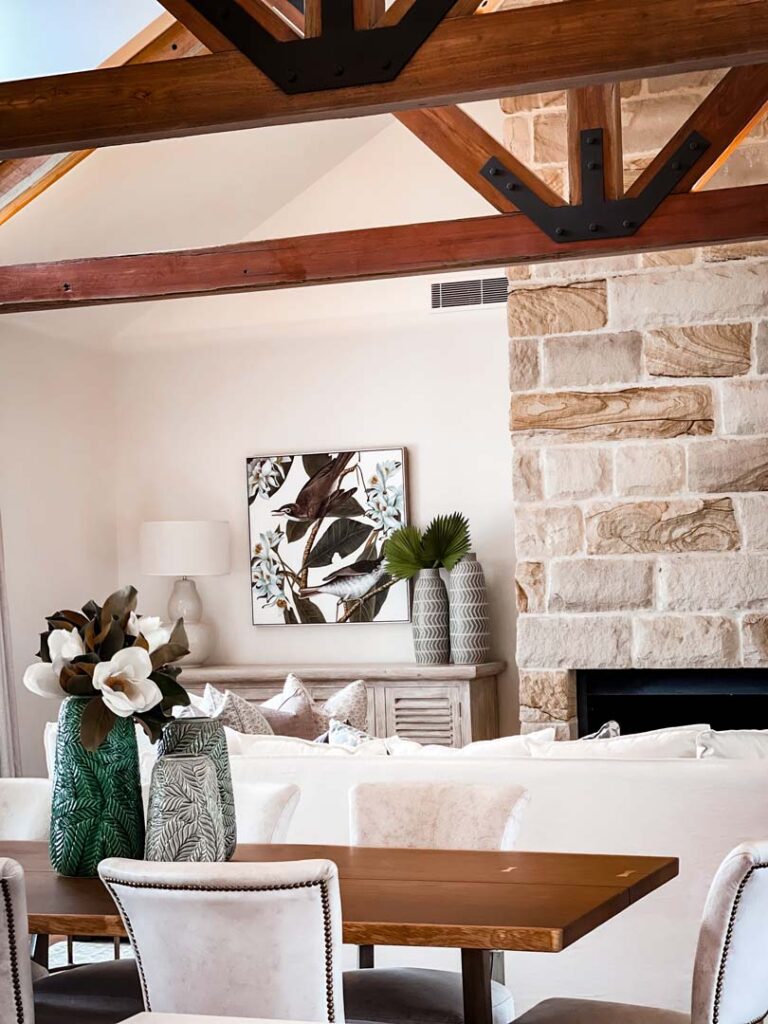
Want something more rustic or textural? A real stone or brick wall (not peel-and-stick) makes a serious statement, especially when lit from above or used in fireplace surrounds. Just be mindful of balance — let the material be the hero.
Limewash or Venetian plaster
For those chasing a European or soft, natural feel, limewash or clay-based renders add texture without adding “stuff.” The irregularity in tone and finish creates movement that catches the light beautifully — perfect for feature walls that don’t need to shout.
These materials give a space visual weight, make it feel designed (not decorated), and avoid the “one bright wall” trap. Best of all, they tend to age well — because texture, unlike trends, doesn’t date as quickly.
Where to Place a Feature Wall (And Where Not To)
A feature wall is only as good as its placement. Even the best wallpaper or timber cladding can feel awkward if it’s on the wrong wall. The key is to use the feature to enhance the room’s natural flow — not fight against it.
Best spots for feature walls:
- Behind a bedhead
This is one of the most common and successful placements. It frames the bed, adds softness or texture, and helps anchor the entire bedroom. - Living room TV or fireplace wall
Whether it’s painted, panelled, or wallpapered, this can help draw focus to the main element in your living space — just make sure the design supports long-term use (you’ll be looking at it a lot). - Entryways and hallways
These spaces are often overlooked, but a small section of wallpaper, VJ panelling, or painted niche here can create a great first impression. - Dining room or home office wall
In more formal or focused spaces, a feature wall adds intimacy and character without being too “loud.”
When to skip it:
- If every room already has one
The “every room gets a feature wall” trend makes your home feel busy and disjointed. Less is more. Let one or two key spaces shine. - On the shortest wall in a room
This can make the room feel boxy or off-balance. Feature walls tend to work best on larger, uninterrupted surfaces. - If there’s no architectural reason
Ask yourself: does this wall already have a function or focal point? If not, you might be forcing something that doesn’t need to exist.
A good feature wall should feel like it belongs there. If you’re unsure which wall makes sense, a painter or interior pro can walk through the space with you and help map it out. Southern Highlands Painting does this often — helping homeowners avoid design choices that look great in theory but not in practice.
How to Nail It — or Know When to Call a Pro
A great feature wall doesn’t need to be loud. It just needs to be intentional.
Before you get started, here are a few quick rules of thumb:
- Start with the room, not the trend.
What does the space need — warmth, contrast, texture? Don’t pick a feature wall just because it’s “in.” - Don’t overdo it.
One feature wall can elevate a room. Two competing ones can create visual noise. Choose your moment. - Test materials and colours in your light.
Just like paint, wallpaper and natural materials will look different depending on your lighting. Try samples on the actual wall and check them at different times of day. - Invest in quality finish.
Whether it’s professional wallpaper hanging or precisely installed timber cladding, execution matters. A great idea done poorly still looks… poor. - Ask an expert if you’re not sure.
If you’re stuck between paint, panel, or paper — or unsure where to place it — a pro can help you visualise the end result before anything goes on the wall.
At Southern Highlands Painting & Wallpapering, we help homeowners turn ideas into beautiful, lasting spaces. Whether you’re looking to add drama, texture, or just a touch of something different, we’ll help you design a feature wall that feels stylish today — and still looks great five years from now.