
Colour Trends come and go — but paint sticks around.
If you’re planning to repaint your home exterior in 2026, it’s only natural to look at what’s trending. Colour trends can offer inspiration, fresh ideas, and insights into how modern Australian homes are evolving. But if you’re not careful, they can also lead you into short-lived choices that feel dated by the time your second coat dries.
At Southern Highlands Painting and Wallpapering, we’re often asked, “What colours are people using right now?” But the better question is: “What colours look great now — and will still suit my home in five or ten years?”
In this guide, we’ll walk you through the most relevant exterior colour trends for 2026 in Australia. We’ll explain why they’re gaining popularity, how they work with different home styles, and what to consider before locking in your palette.
By the end, you’ll know what’s trending, what’s timeless, and what actually works in our local environment.
Why Exterior Colour Trends Matter (And Why You Shouldn’t Just Follow Them)
Exterior paint is one of the biggest visual decisions you can make for your home — and one of the hardest to undo. That’s why trends matter. They reflect broader design movements, shifts in taste, and changes in how we want our homes to feel. They can also signal what’s in demand on the property market.
But following a trend without context is risky. What looks great on a coastal new build in Byron Bay might look completely out of place on a federation home in the Southern Highlands. And just because something is trending doesn’t mean it will stand the test of time — or suit your surroundings.
Trends are best used as a starting point. They can give you a sense of direction — earthy tones, muted neutrals, softer contrasts — but your final decision should always consider:
- Your home’s architecture
- The surrounding landscape
- How much sun your home gets
- The visual weight of the colour on large surfaces
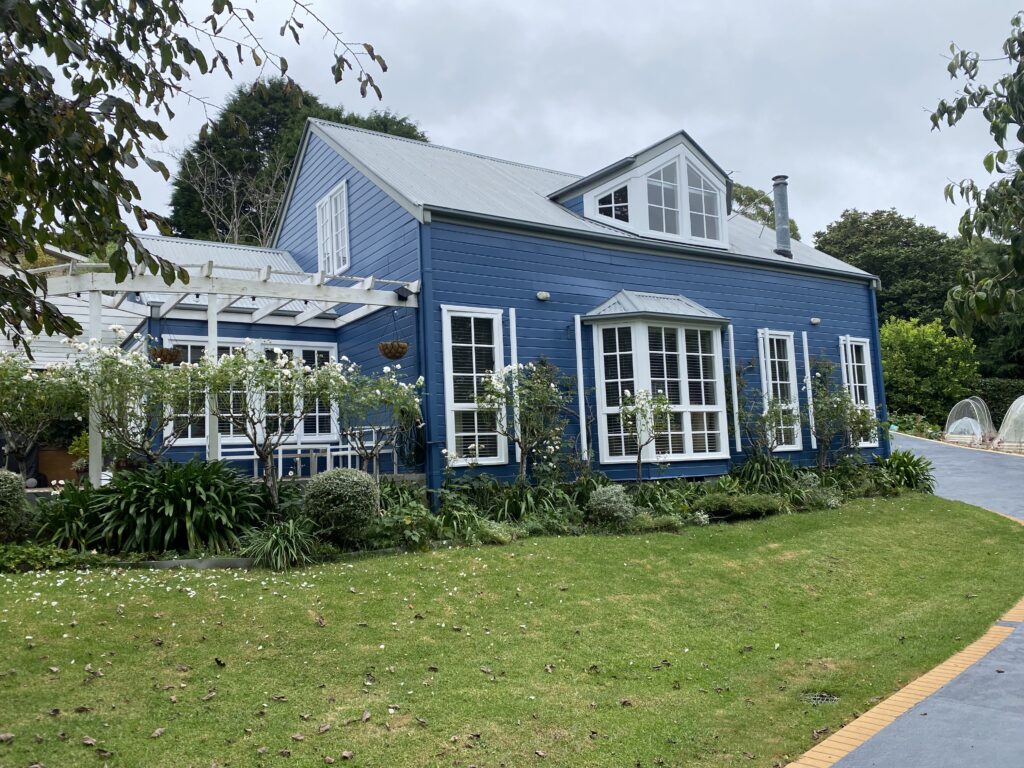
A well-chosen exterior colour trend should enhance your home’s features, not compete with them. The goal isn’t just to be current — it’s to be considered.
Top Exterior Colour Trends for Australian Homes in 2026
In 2026, the dominant theme across exterior palettes is calm, grounded colour. Australians are leaning into tones that feel connected to nature, complement existing materials like timber and stone, and provide a sense of warmth and subtle contrast.
Here are the key trends shaping exterior colour choices this year:
1. Earthy Mid-Tones
Muted ochres, soft clay, sandstone, and warm beige are gaining popularity — particularly on homes that want to blend with the landscape rather than stand out. These colours bring a sense of grounded calm and pair well with both timber and matte black trims.
2. Warm Neutrals
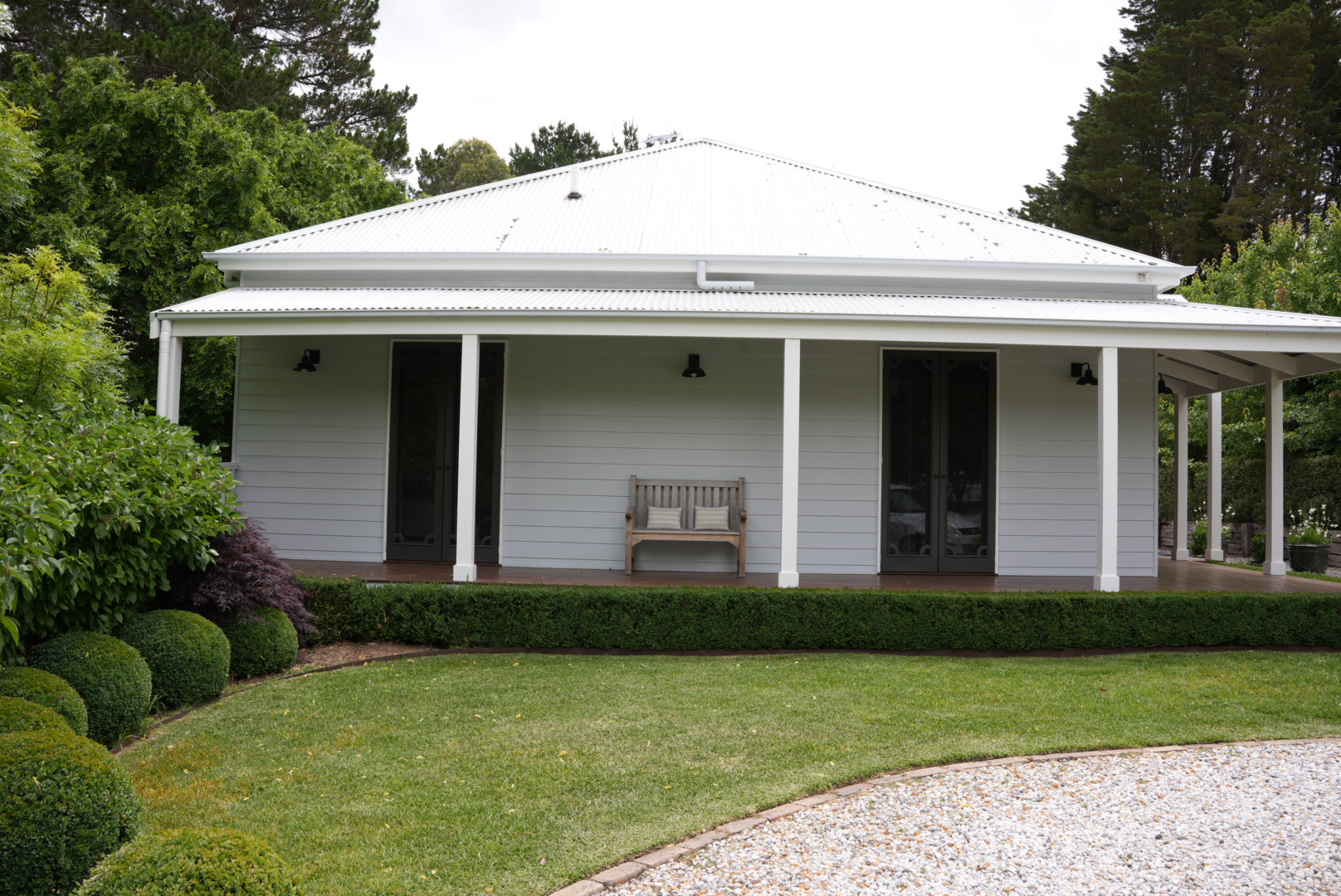
Cool greys are slowly fading out, and in their place we’re seeing soft greige (grey-beige), off-white with warm undertones, and mushroom-like neutrals that sit quietly against natural materials.
3. Muted Greens
From sage to olive, these dusty green tones are making their way onto more facades — especially in leafy or rural settings. They work beautifully with timber cladding, red brick, or sandstone features and are far more timeless than trend-driven pastels.
4. Greige and Soft Taupe
The all-rounder of 2026. Greige is popular because it doesn’t lean too warm or too cool, making it adaptable across different architectural styles. It’s understated, versatile, and easy to pair with darker trims or natural stone.
5. Charcoal with Crisp Contrast
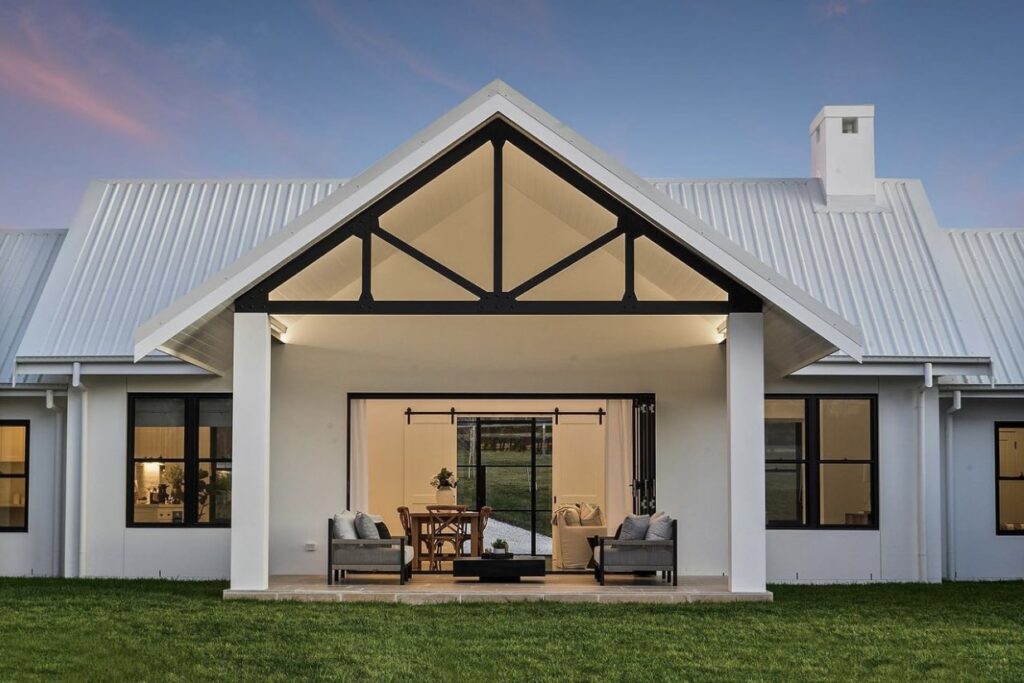
For homeowners wanting a bolder look, deep charcoal or soft black is still on trend — but it’s being softened with white trims or pale timber. The all-black look is giving way to contrast and texture, creating more depth and balance.
Why These Colours Work — and Which Home Styles They Suit
The best colour trends don’t just follow fashion — they respond to real-world conditions. In Australia, that means dealing with harsh sunlight, variable climates, and diverse home styles. The most successful exterior colours in 2026 are those that adapt to all three.
Sunlight and Climate
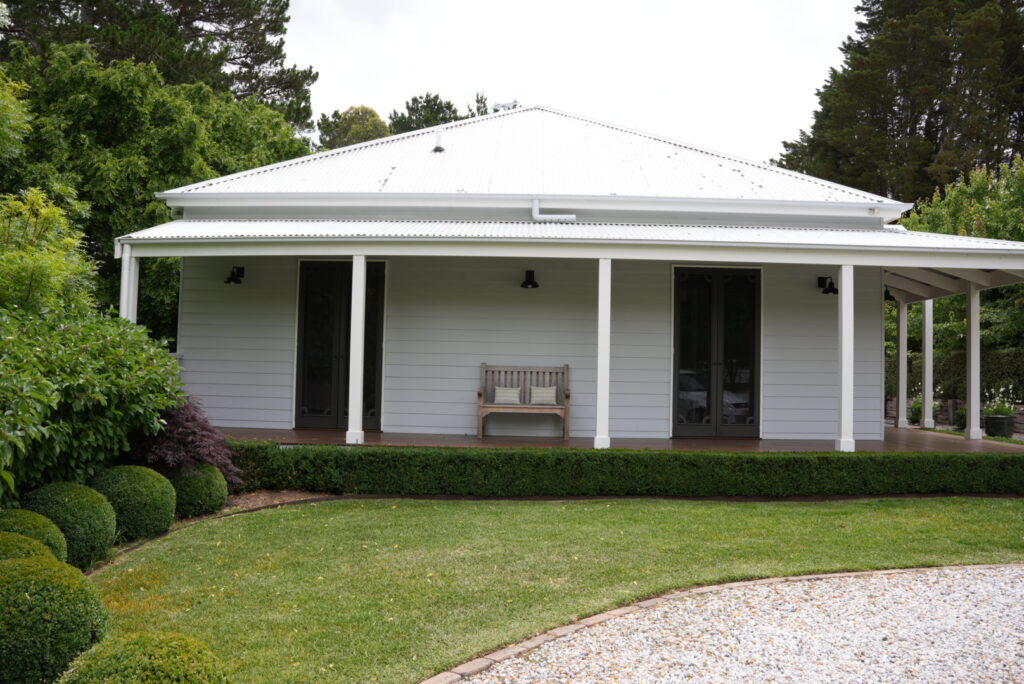
Bright, reflective light can wash out pale colours and make bold ones look even harsher. That’s why muted and earthy tones work well here. They absorb light gently, reduce glare, and create a softer appearance throughout the day — particularly in sunny or open areas like the Southern Highlands.
Cooler climates (or south-facing homes) benefit from warm undertones that stop the exterior from looking too flat or cold. Think warm greys, sandy beige, or earthy taupes.
Natural Landscape
Homes that sit within bushland, farmland, or garden-rich areas tend to look better when the colour palette reflects the natural surroundings. Greens, browns, clay tones and off-whites help the house feel anchored in the landscape, rather than dropped into it.
Architectural Compatibility
Here’s how 2026’s colour trends pair with common Australian home styles:
- Modern / New Build: Greige, charcoal, warm off-white, sage green
- Federation / Period Homes: Soft taupe, dusty olive, terracotta-based neutrals
- Weatherboard or Cottage Style: Sage, mushroom, warm white with contrast trims
- Country or Homestead Style: Earthy beige, olive, dark green with natural stone or timber
- Heritage Homes: Charcoal, cream, muted clay
By thinking in terms of why these colours work — and what they’re working with — you’re much more likely to land on a choice that feels timeless, not just trendy.
How to Choose a Colour That Won’t Date
Even if a colour is trending in 2026, that doesn’t mean it will hold up in 2030. The key to choosing a colour that lasts is to treat trends as inspiration — not instruction.
Here’s how to filter the current colour palette through a timeless lens:
1. Test in natural light — not just on screen
Colours can shift dramatically in different lighting. What looks like a soft grey online might appear blue or stark in full sun. Always test large samples on different sides of your house and view them at different times of day.
2. Match the colour to your fixed features
Your exterior colour needs to work with the materials you aren’t changing — like your roof, window frames, stonework or brick. If you have a red tile roof or dark aluminium trims, let those guide the tones you shortlist.
3. Think beyond trend cycles
Ask yourself: would this colour still suit my home if it wasn’t trending? If the answer is no, it’s probably too tied to the moment. Timeless exteriors tend to be grounded in nature — muted greens, sandy beiges, soft whites, warm greys.
4. Choose contrast carefully
While bold contrast can look striking, too much can date quickly. Instead of going full black and white, consider softer versions — like charcoal with warm off-white, or sage with soft taupe.
5. Use colour accents sparingly
If you love a bolder colour but don’t want to commit to it across the whole facade, consider using it on the front door, garage door, or trims. This way, you can bring character in without locking yourself into a full repaint in two years.
Final Advice Before You Paint
Choosing a colour that looks good on paper is one thing. Living with it for the next 10 years is another. Before you commit to your 2026 exterior paint job, here are a few last things to keep in mind:
Give yourself time
Exterior paint is a major investment. Rushing the decision often leads to regret. Try sample pots, observe the colours in natural light, and don’t feel pressured to follow the trend just because it’s popular now.
Look around your neighbourhood
Your home doesn’t need to blend in — but it should make visual sense in its setting. Pay attention to how similar tones look on nearby homes, especially those with a similar roof or aspect.
Repaint in the right season
Timing matters. The Southern Highlands has colder months that may not be ideal for painting. Late spring and early autumn tend to offer the best weather conditions for exterior jobs.
Quality paint matters
Trends may come and go, but a good paint job should last. Choose high-quality exterior paints that offer UV protection, resist fading, and are suited to your home’s material — whether it’s render, brick, timber or weatherboard.
Need Help Choosing the Right Exterior Colour?
If you’re unsure which direction to take — or want a second opinion before painting — we can help. At Southern Highlands Painting & Wallpapering, we help homeowners choose exterior colours that look modern, work with their home’s features, and still feel fresh years down the track.
Whether you’re repainting for resale, renovation or a refresh, we can guide you through your options with expert, honest advice.